
Urinary leakage
Leaking with coughing, sneezing, lifting, standing up, or exercise often involves pelvic floor timing and pressure management as much as raw strength.
Urinary symptoms | Dallas–Fort Worth
Urinary symptoms are one of the most common reasons men are referred for pelvic floor physical therapy — and one of the most common things men try to manage alone for years.
Whether physical therapy is appropriate depends on your evaluation and, in some cases, on medical testing your physician orders.
Leaking with coughing, sneezing, lifting, standing up, or exercise often involves pelvic floor timing and pressure management as much as raw strength.
A sudden, hard-to-defer urge can be influenced by pelvic floor overactivity, bladder irritants, and habits such as rushing to the bathroom at the first sensation.
Frequent trips, including at night, may reflect bladder habits, fluid timing, incomplete emptying, or pelvic floor coordination problems.
Dribbling after finishing may relate to how the pelvic floor and urethra coordinate at the end of urination. Simple technique changes sometimes help.
After prostate surgery, urinary control has to be retrained. This is a core focus of the practice.
Read about prostatectomy rehabilitationBladder control is a coordination task. The bladder muscle and the pelvic floor have to take turns: one relaxes while the other works. When that pattern breaks down, you may get urgency, leakage, hesitancy, or a sense of incomplete emptying.
Habits also matter. Going "just in case," pushing to empty faster, high caffeine intake, and holding until the last minute all train the bladder in ways that can worsen symptoms.
Treatment may combine pelvic floor training, relaxation and coordination work, breathing and pressure strategies, bladder habit changes, and graded return to exercise.
Inside treatment
Bladder control is a coordination problem more often than a strength problem. Treatment usually blends these three threads.
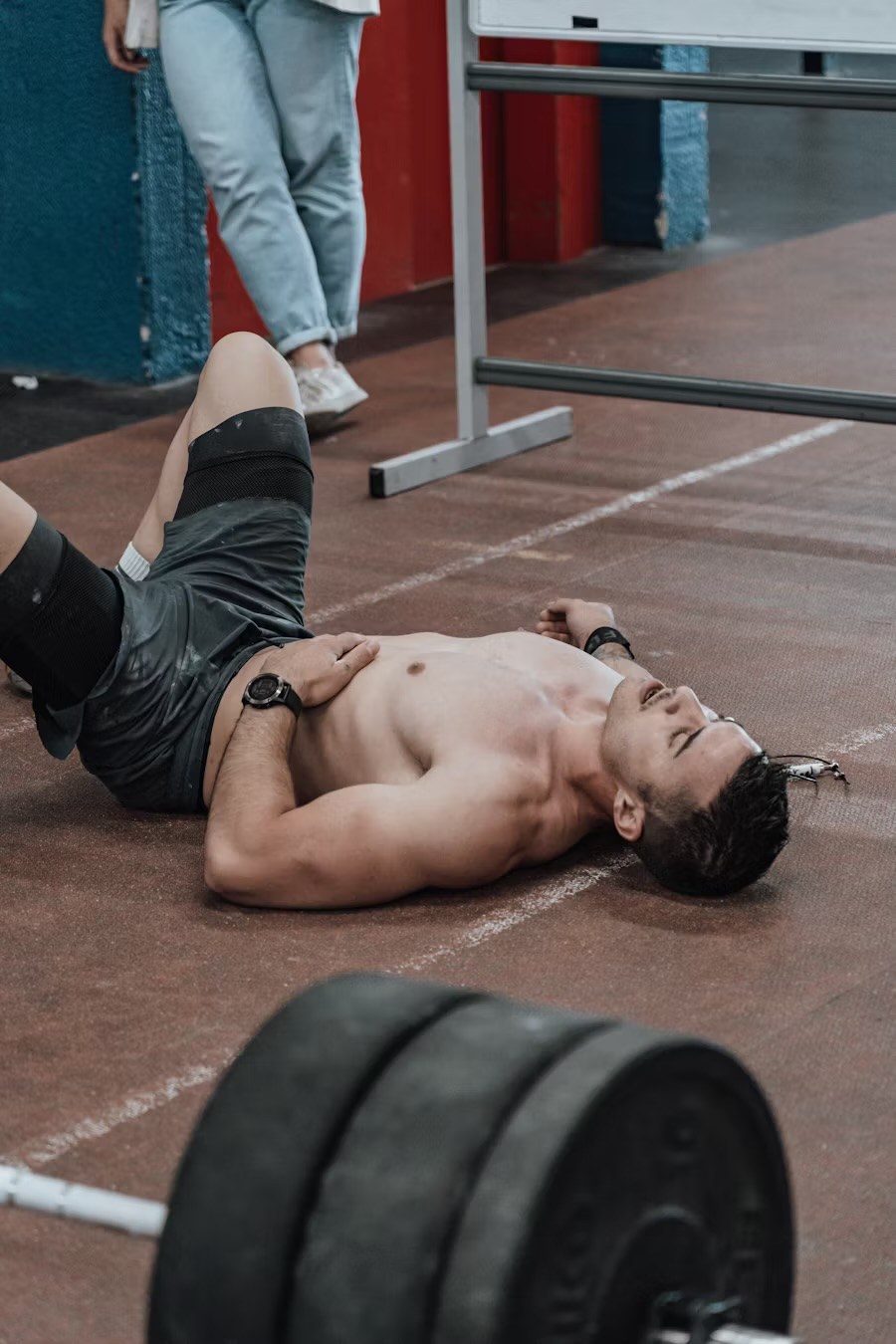
We start with how you breathe and manage abdominal pressure, because bracing and breath-holding often drive urgency and leakage during lifting, coughing, or standing up.
Simple, trackable changes to fluid timing and urge deferral, without the just-in-case bathroom trips, paired with a short home program you can keep up between visits.

The last phase rehearses the moments that leak: lifting, squatting, sport, and stairs, so control holds when the load is real rather than only on the treatment table.
Photography is illustrative. Your plan of care is individualized and determined at your evaluation.
Request an appointment to review your symptoms and determine whether pelvic floor physical therapy may be appropriate for you.
Prefer to ask a question first? Text 214-425-0236 or send a message.