
Male pelvic pain | Dallas–Fort Worth
Pelvic Floor Physical Therapy for Male Pelvic Pain
Pelvic pain in men is often multifactorial. A useful evaluation sorts out which factors are contributing to your symptoms and which are not.
Pain in the pelvis rarely has one single cause
Men describe pelvic pain in many ways: perineal aching, pain at the tip or base of the penis, testicular or groin discomfort, rectal pressure, lower abdominal pain, or pain that flares after sitting, exercise, or ejaculation.
Muscles, joints, nerves, movement habits, stress responses, and bladder or bowel behaviors can all play a part. Some causes are not musculoskeletal at all, which is why medical evaluation may still be needed alongside physical therapy.
Rehabilitation considerations we assess
- Overactive pelvic floor muscles
- Muscle guarding
- Mobility restrictions
- Hip or trunk contributions
- Breathing patterns
- Nerve sensitivity
- Bowel and bladder behaviors
- Sitting tolerance
- Stress-related muscle guarding
- Exercise or activity aggravators
A common misunderstanding
Pelvic Pain Does Not Automatically Mean Your Pelvic Floor Is Weak.
When pelvic floor muscles are already overactive, more strengthening can increase symptoms rather than reduce them.
What may be more appropriate
- Learning to relax and lengthen the pelvic floor
- Coordination and timing rather than maximum effort
- Hip, trunk, and pelvic mobility work
- Graded loading that respects your symptom threshold
- Nervous system considerations, including sleep, stress, and pacing
Why it matters
Many men arrive after months of repetitive squeezing exercises with no improvement, or with worse pain. That does not mean rehabilitation cannot help. It usually means the plan was aimed at the wrong problem.
Treatment should not consist only of strengthening. Your program is chosen based on what your evaluation actually shows.
What treatment can look like
Practical, staged, and reviewed as you go
Plans often combine manual therapy, breathing and relaxation training, mobility work, targeted strengthening when appropriate, and changes to sitting, bathroom habits, and activity dosage.
Inside treatment
How Male Pelvic Pain Is Treated
Pain rarely responds to more squeezing. The work is usually education, downtraining, and graded loading, in that order.

Education and symptom mapping
We explain what is generating your symptoms in plain language, covering muscles, nerves, pressure, and sensitivity, so the plan makes sense and guesswork stops driving your day.
Downtraining, not more kegels
Overactive pelvic floor muscles need to learn to let go. Breathing, positional release, mobility, and relaxation work usually come before any strengthening.
Graded movement and sitting tolerance
From there we rebuild hip, trunk, and pelvic floor coordination and gradually extend sitting, driving, and training tolerance without flaring symptoms.
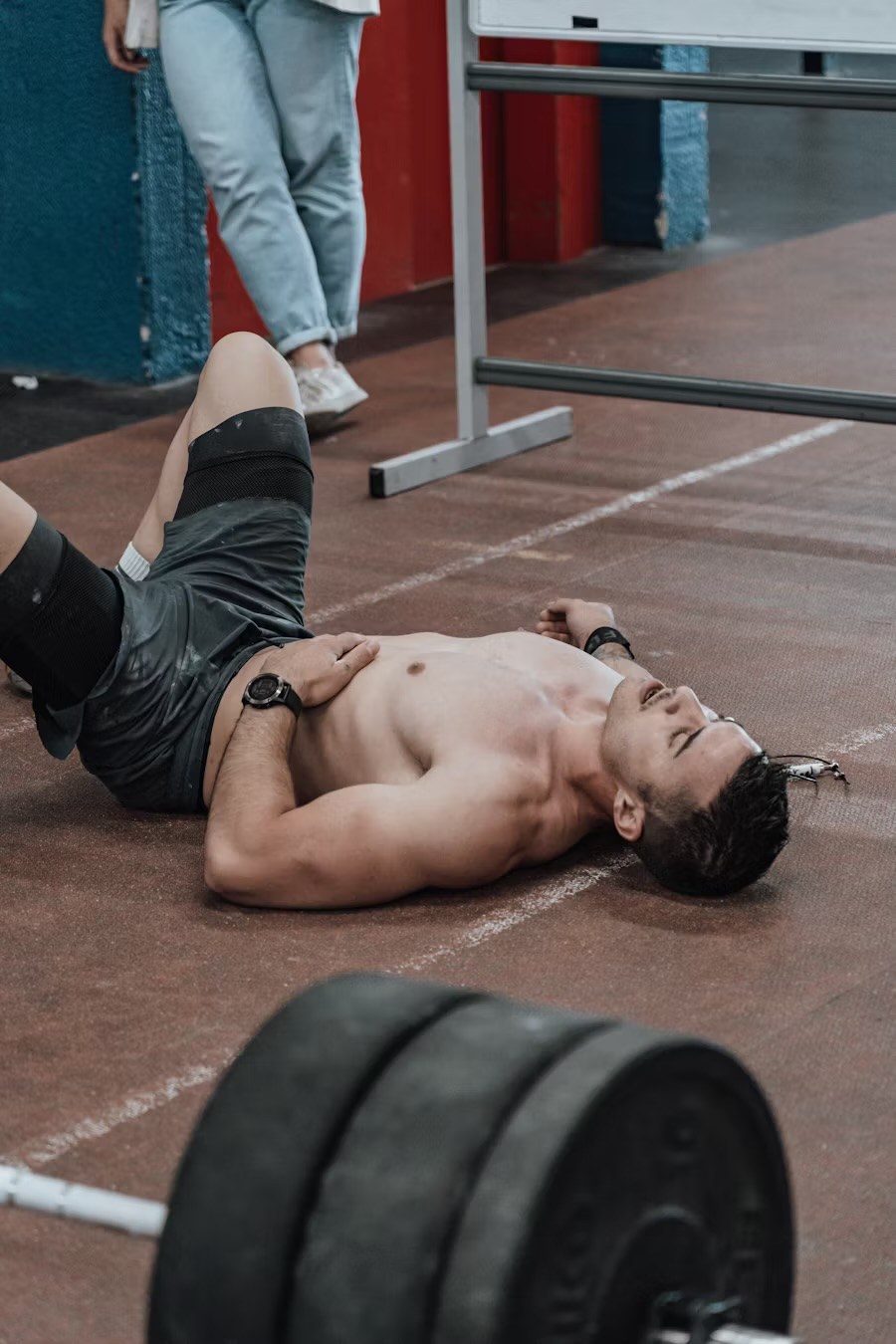
Photography is illustrative. Your plan of care is individualized and determined at your evaluation.
Talk Through Your Pelvic Pain
Request an appointment to review your symptom history and determine whether pelvic floor physical therapy may be appropriate for you.
Prefer to ask a question first? Text 214-425-0236 or send a message.